Amir Coleman · 26 October 2026
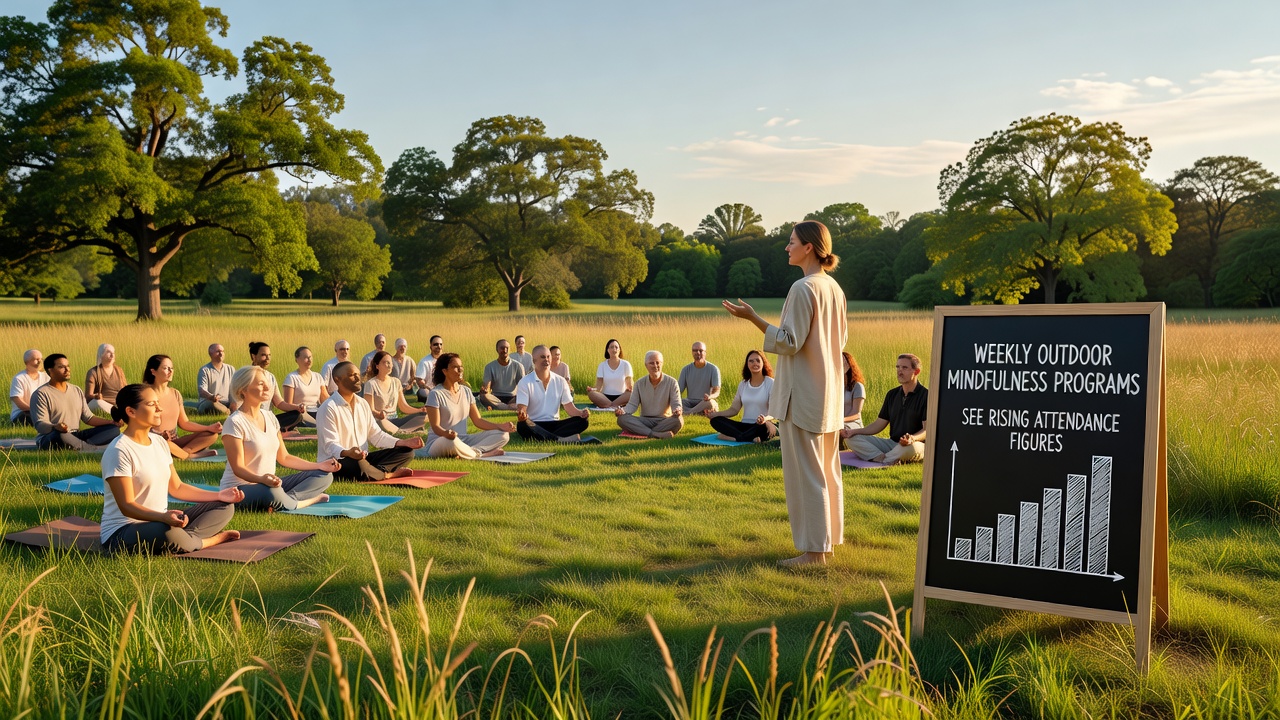
Weekly Outdoor Mindfulness Programs See Rising Attendance Figures
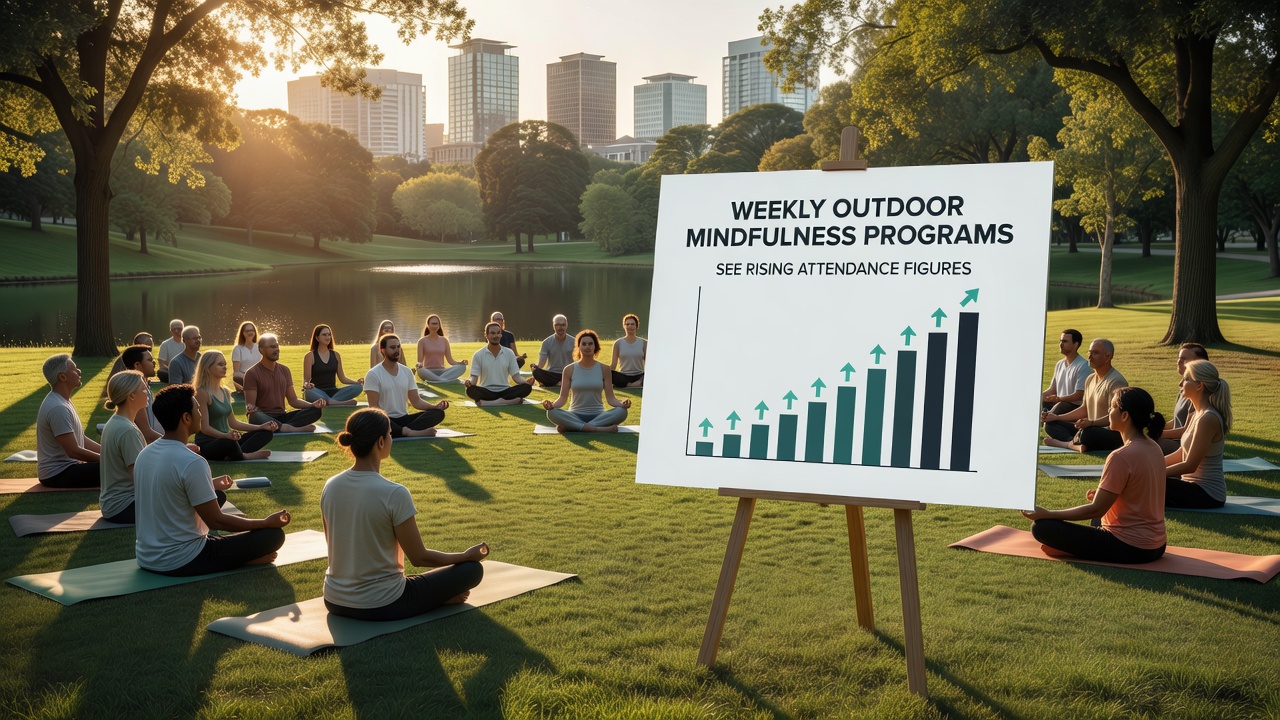
Attendance at weekly outdoor mindfulness programs has increased steadily through 2026, with October figures showing continued growth across multiple regions. Organizers in community parks and nature reserves report higher participation rates compared to the same period last year, driven by consistent scheduling and accessible locations. Data from program coordinators indicate that sessions held on weekday evenings and weekend mornings draw the largest groups, often exceeding previous capacity estimates.
Attendance Trends Across Regions
Records compiled from various municipal park departments show participation rising by double-digit percentages in several North American and European locations. In Canada, Statistics Canada health surveys have documented increased interest in nature-based wellness activities, while Australian Institute of Health and Welfare reports highlight similar patterns in urban green spaces. These figures align with broader observations that structured outdoor sessions attract repeat attendees who value predictable weekly formats.
Programs typically last between 45 and 60 minutes and incorporate guided breathing exercises, silent observation periods, and gentle movement sequences. Coordinators note that October 2026 sessions have maintained strong turnout even as temperatures begin to drop in northern climates, with some groups adding optional layers for comfort during cooler evenings.
Program Structures and Participation Patterns
Many weekly offerings operate through partnerships between local recreation departments and certified mindfulness instructors. Sessions occur in fixed locations such as meadow clearings or along established walking paths, allowing participants to develop familiarity with the surroundings over successive weeks. Registration data reveals that a significant portion of attendees return for multiple consecutive sessions, contributing to the overall upward trend in cumulative numbers.
One study conducted by researchers at a major university tracked participation across twelve sites and found that consistent scheduling correlated with higher retention rates. The same analysis indicated that programs incorporating elements of local ecology, such as identifying seasonal plant changes, maintained engagement levels throughout the fall months. Attendance logs from these sites showed October 2026 averages surpassing those recorded during spring and summer periods in prior years.
Supporting Data from Health Organizations
According to the Centers for Disease Control and Prevention, participation in structured wellness activities has been associated with reported improvements in stress management among adults. Separate findings from the World Health Organization point to growing global interest in accessible outdoor practices that require minimal equipment. These reports do not attribute causation to any single factor but document parallel increases in program enrollment and self-reported well-being metrics.
Local health departments in several states have begun incorporating attendance statistics from mindfulness programs into community wellness dashboards. October 2026 updates to these dashboards show continued upward trajectories, particularly in suburban and semi-rural areas where green space remains readily available. Organizers attribute part of the growth to word-of-mouth referrals among existing participants rather than large-scale advertising campaigns.
Geographic and Demographic Observations
Participation spans a range of age groups, though middle-aged adults represent the largest segment in most tracked programs. Sessions offered in coastal regions of Australia and parts of Scandinavia report comparable increases, suggesting the trend extends beyond single geographic zones. Demographic surveys collected by program staff indicate that many newcomers cite recommendations from primary care providers or workplace wellness initiatives as their entry point.
Equipment needs remain minimal, typically consisting of a mat or portable seat and weather-appropriate clothing. This low barrier has allowed programs to expand without significant infrastructure investment. Some sites have introduced optional post-session discussions focused on integrating mindfulness techniques into daily routines, though these remain separate from the core weekly practice.
Conclusion
October 2026 data confirm that weekly outdoor mindfulness programs continue to record higher attendance across monitored locations. Aggregated figures from municipal reports, academic tracking studies, and health organization summaries illustrate sustained interest in these recurring outdoor formats. Continued documentation of participation patterns will provide further clarity on long-term engagement levels in coming seasons.