Elena Simon · 28 September 2026
Grove's Acorn Collection Project Fuels Regional Reforestation Efforts
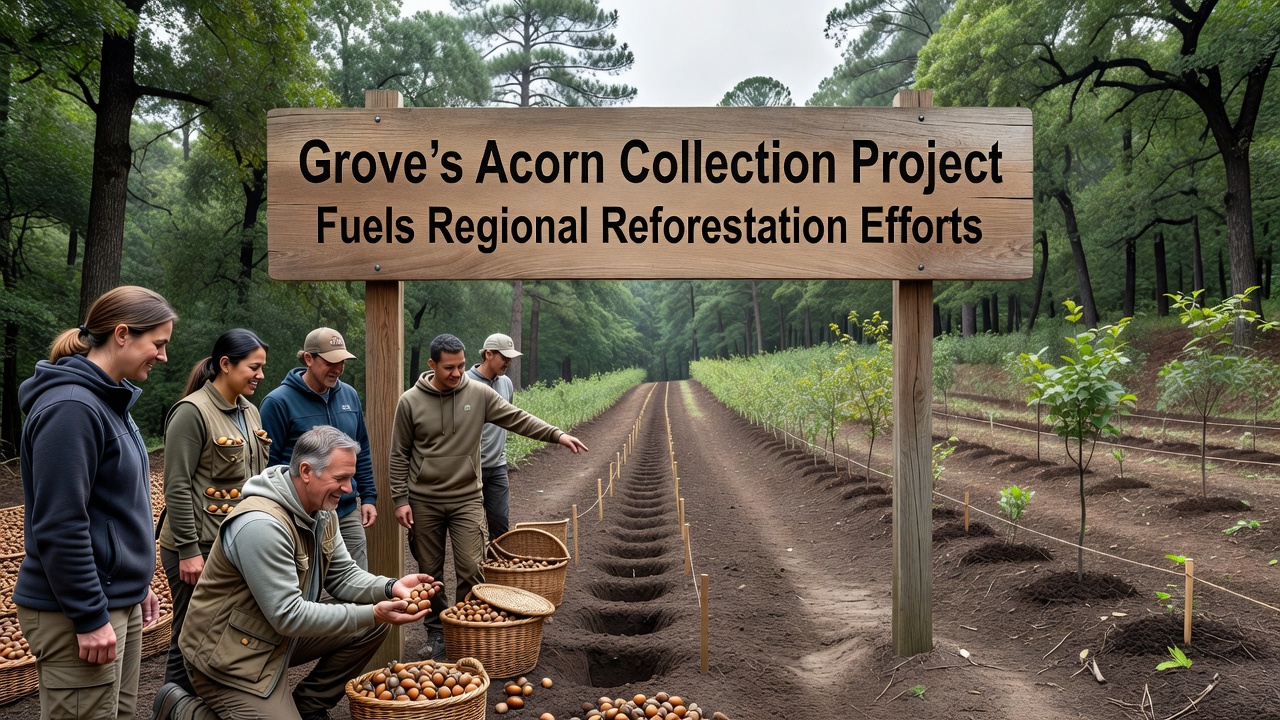
Quiet Grove launched its Acorn Collection Project several years ago as a community-driven initiative that gathers native acorns and channels them into regional reforestation programs, and the effort has expanded steadily since then. Local residents, school groups, and environmental organizations participate each fall when oak trees drop their seeds, which volunteers sort, store, and distribute to nurseries and land managers across multiple counties. The project coordinates with forestry departments that plant the resulting seedlings in areas affected by past logging, wildfire damage, and urban expansion.
How the Collection Process Works
Volunteers follow established protocols that protect both the trees and the surrounding habitat while they collect acorns from designated zones, and they receive training on identifying healthy seeds that have the best chance of germination. Collected acorns undergo cleaning, moisture testing, and cold stratification at a central facility before they move to partner nurseries, where staff monitor growth conditions through the winter months. By spring the seedlings reach planting size and transfer to restoration sites that have been selected based on soil surveys and wildlife corridor mapping.
Data from the project shows consistent annual increases in both participation and seed volume, with figures revealing that over 250,000 viable acorns entered the supply chain in the most recent cycle. Those numbers support planting targets set by regional land trusts and county conservation districts that rely on the steady supply of locally sourced stock.
Regional Impact and Partnerships
The project maintains formal agreements with several agencies that handle large-scale tree planting, and one such partner is the US Forest Service, which incorporates the seedlings into habitat restoration on national forest land within the broader watershed. Another collaboration involves the Australian Department of Climate Change, Energy, the Environment and Water, which shares technical guidance on seed banking methods that improve long-term viability for oak species facing shifting climate patterns. These connections allow Quiet Grove to align its collection standards with international best practices while keeping the focus on native genetic stock suited to local conditions.
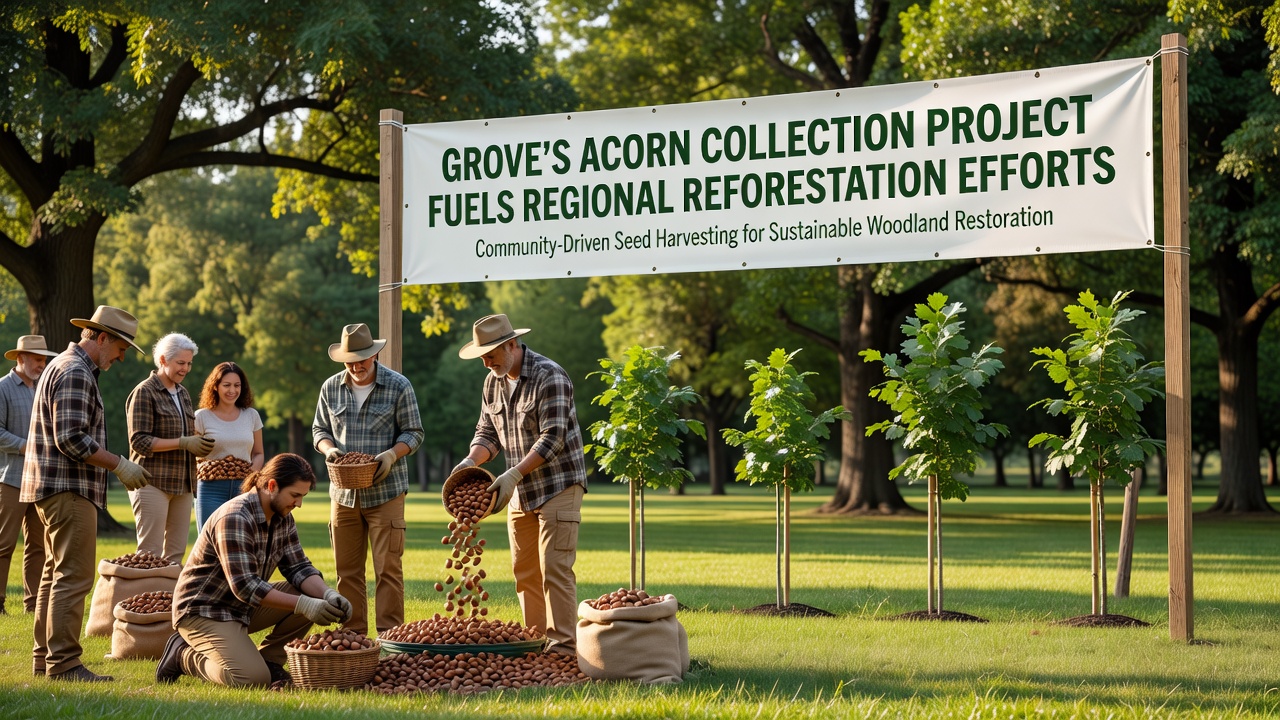
Planting records indicate that more than 180,000 seedlings from the program have entered the ground since the project began, and monitoring reports from participating landowners document improved canopy cover and reduced erosion on treated slopes. In September 2026 the collection drive recorded its highest single-week volume when cool temperatures triggered an early mast year, prompting organizers to extend storage capacity and recruit additional volunteers through local community centers. The surge allowed the project to fulfill extra orders from two neighboring counties that had experienced unexpected setbacks from an earlier drought.
Community Involvement and Educational Outreach
Schools integrate the acorn collection into science curricula that teach students about forest ecology, seed dispersal, and the role of oaks in supporting biodiversity, and several classes now maintain small demonstration plots where they track germination rates year over year. Libraries host evening workshops that explain proper storage techniques, and local businesses donate supplies such as collection bags and sorting tables. The resulting network keeps costs low and maintains high community ownership of the reforestation outcomes.
Research from university extension programs indicates that using locally adapted acorns increases seedling survival rates compared with stock transported from distant regions, and project coordinators cite those findings when they explain their preference for hand-collected material over commercial sources. Ongoing studies continue to examine how the planted trees influence pollinator populations and soil microbial communities over the first decade after establishment.
Future Expansion Plans
Project leaders have outlined steps to enlarge the collection area into adjacent townships and to add cold-storage units that can handle larger volumes during heavy mast years, and they have begun preliminary discussions with additional land management agencies that seek consistent seedling supplies. Funding for the expansion comes from a combination of county conservation grants, private donations, and revenue generated when surplus seedlings are sold to private landowners for riparian buffer projects.
Conclusion
The Acorn Collection Project demonstrates how sustained community participation can supply the raw material needed for meaningful reforestation across a multi-county region, and the steady growth in both seed volume and planted acreage reflects the coordination between volunteers, nurseries, and government partners. Records kept since the project's inception show measurable contributions to canopy recovery and habitat connectivity, while the September 2026 collection peak underscores the program's capacity to respond when natural mast cycles produce larger harvests. Continued monitoring and expanded partnerships will determine how far these efforts reach in the years ahead.